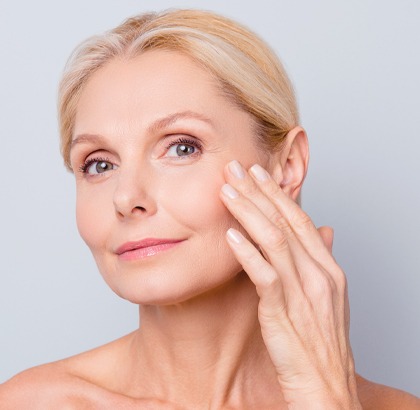
Aging skin reflects a combination of changes in collagen, elastin, hydration, pigmentation, facial volume, and underlying tissue support. Over time, these changes can lead to fine lines, laxity, uneven tone, texture changes, volume loss, and a less defined facial contour.
At Skin Therapeutics, treatment of aging skin is approached comprehensively rather than focusing on a single concern. Our physician-led plans are designed to support skin quality, restore structural balance, and promote natural-looking rejuvenation while preserving individual facial character.
Depending on your goals, treatment may include a combination of regenerative and aesthetic therapies such as:
Collagen-stimulating treatments
PRF and other regenerative procedures
Radiofrequency skin tightening, including XERF®
Laser and light-based treatments
Neuromodulators for dynamic lines
Dermal fillers and biostimulatory injectables
Medical-grade skincare and prevention-focused skin programs
Treatment plans are individualized based on skin quality, facial anatomy, degree of laxity or volume change, lifestyle, and long-term goals.
Our approach focuses on progressive, balanced rejuvenation — improving skin health and structural support over time rather than pursuing an overcorrected or artificial result.
Wrinkles, Lines, and Folds
Xeomin Botulism toxin – which will help temporarily relax specific muscles to reduce the overlying skin fine lines and wrinkles.
Dermal fillers – which are made of hyaluronic acid aids to improve volume by naturally integrating with your own dermal tissue matrix. We use Belotero filler, which has an added numbing agent to help ease the slight discomfit you may feel during injection.
Medical grade skin therapies from Alumier MD, such as retinol, which is clinically proven to help increase the skin turnover and improve the appearance of fines and wrinkles with continued use.
Photorejuvenation: Regular Photorejuvenation treatments functionally rejuvenates the skin, reducing the production of wrinkles, lines, and folds.
Acne
Affects everyone and all ages!
Acne is caused by a wide range of factors, from hormonal changes, diet, lifestyle, skin care, and medication use.
Acne is caused by the blockage of oil glands that results in comedones; black head, with some heads
that can be cystic and scarring, and can be on most parts of the body like the face, back, and neck.
Have an early consultation with us to identify the best approach to relieve the acute phase of acne, and then to help with prevention with daily skin care routine which could include prescription medication and/or physician grade skin care like Alumier MD.
Our treatments with laser therapy can help those with residual scaring and hyperpigementation from healing one lesion.
Photo Sun Damage
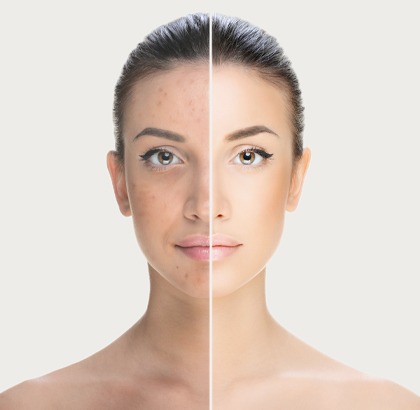
Sun damage is the accumulation of skin stress due to radiation exposure from the sun and in direct sun exposure and even on cloudier days (which is worse). It is mostly worsened from the lack of or inadequate sunscreen type or frequency used outside. Symptoms of sun damage are instantly recognizable, and include: hyper pigmentation, wrinkles or fine lines, and uneven skin texture.
Sun damage accelerates aging of skin, meaning essential skin care is vital, such as for appropriate sun protection. We carry effective broad spectrum spf for all skin types from Alumier MD.
If you have some changes to the skin from damage already we have several treatment options that can help minimize sun damage symptoms, all while encouraging a youthful, rejuvenated glow.
These therapies include:
Laser treatments with IPL, non ablative Fractional Laser treatments.
Medical Grade Skin care from Alumier MD.
Xeomin Botulism toxin and dermal fillers with the use of Belotero.
Rosacea
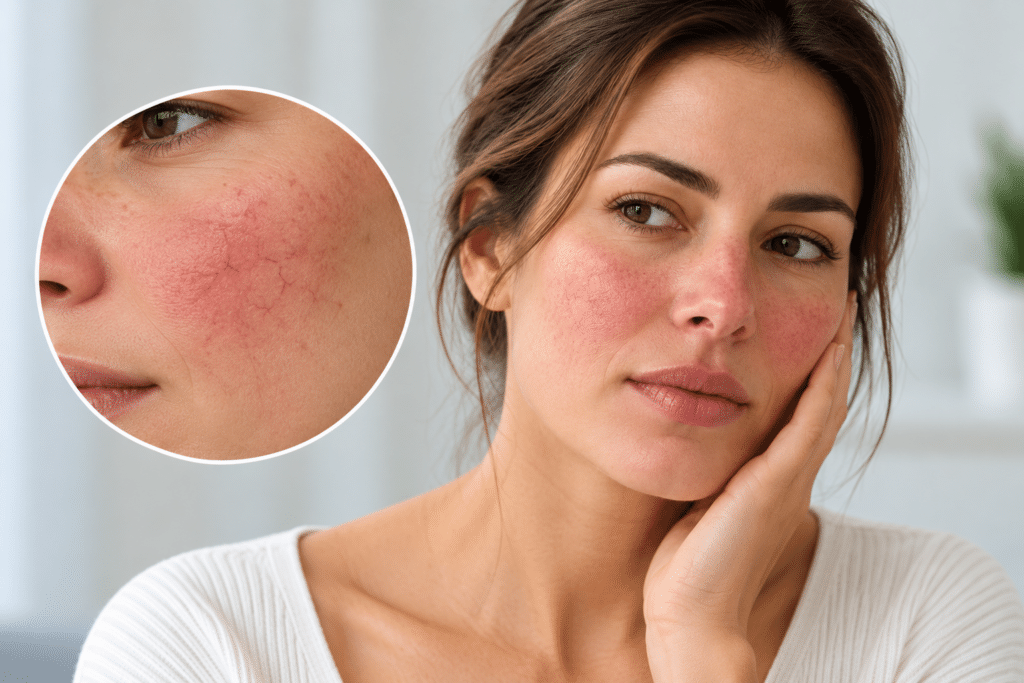
Rosacea is a common skin condition that causes excess redness on facial regions like the nose, cheeks, chin, and forehead. Rosacea can be characterized by small, pus-filled bumps that are exacerbated by dryness, cold weather, and irritating ingredients in skincare products.
We can help improve your rosacea concerns and help you create a preventive regime to maintain a beautiful and even complexion. Benefits of our rosacea treatments include:
Reduce redness, flushing & capillaries
Achieve smoother even skin tones
Affordable, results-driven treatments
Bruxism-TMJ disorder
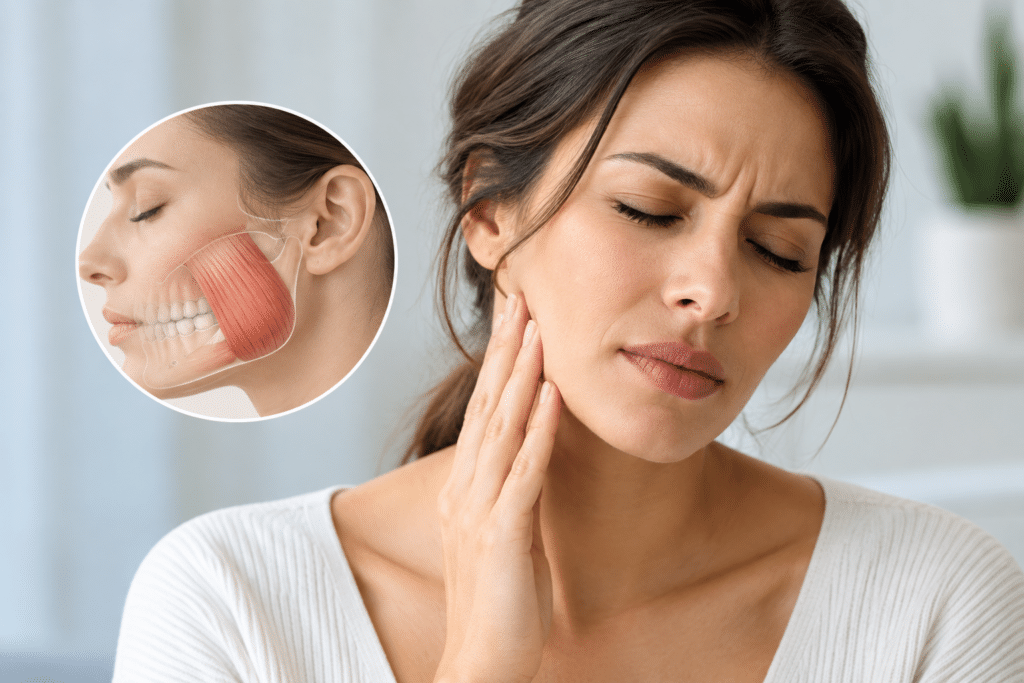
Bruxism refers to involuntary clenching or grinding of the teeth, often during sleep or periods of stress. Over time, this can contribute to jaw tension, facial discomfort, headaches, tooth wear, and enlargement of the masseter muscles.
At Skin Therapeutics, physician-administered neuromodulator treatment may be used to reduce excessive activity of the masseter muscles in appropriate patients. This can help decrease clenching-related muscle tension and may also create a softer, less bulky appearance through the lower face.
Treatment is individualized following assessment of jaw function, muscle activity, facial anatomy, and overall symptoms. Our goal is to reduce excessive muscle activity while preserving normal chewing function and natural facial movement.
Common concerns associated with bruxism may include:
Jaw clenching or grinding
Morning jaw soreness or tightness
Tension-type headaches
Facial muscle fatigue
Excessive masseter prominence
Tooth wear associated with grinding
A consultation is required to determine whether neuromodulator treatment is appropriate and whether additional dental assessment or management may be recommended.
Striae (Stretch Marks)
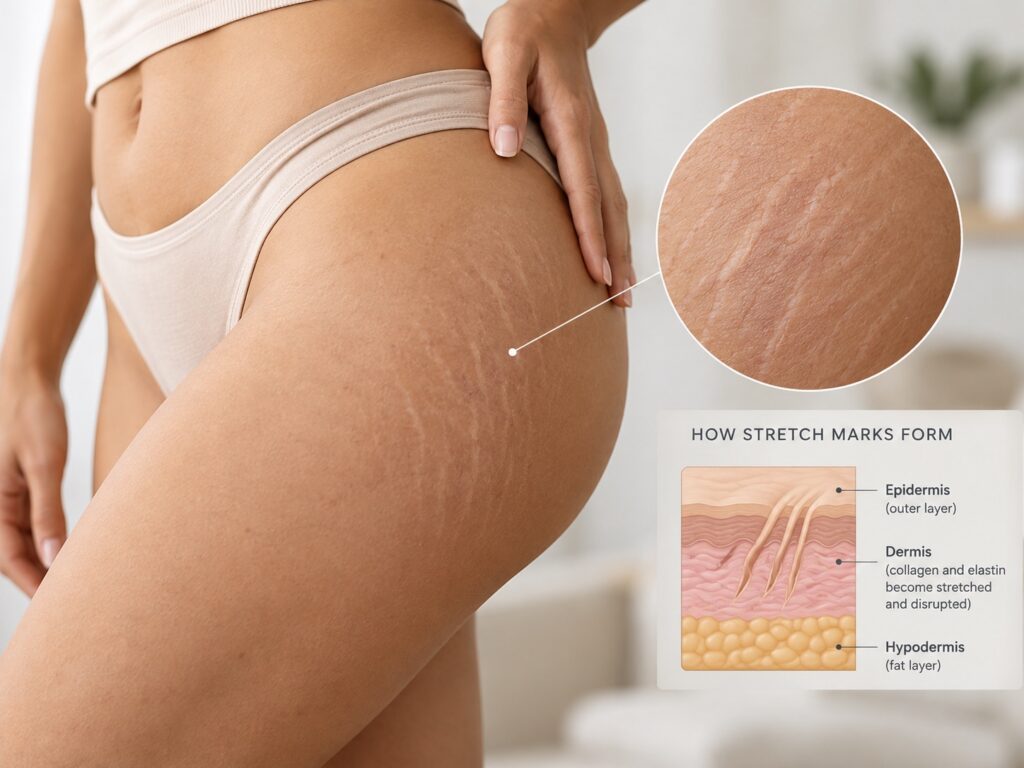
Stretch marks mostly occur in the first half of one’s life and commonly in pregnancy but can occur in certain medical connotes due to hormonal changes (replacement and disorders) and rapid weight gain and loss.
It happens when there is rapid expansion of the dermal connective tissue and thickening of the overlying skin. The result leaves streaky lines.
The initial colour change is from reddish to purplish and then eventually leaves a slivery or white hue streak.
We treat striae with Morpheus 8 RF micro needling to help address the underlying dermal connective tissue damage and stimulate tissue growth to improve the appearance of these marks.
Thin Lips
Thin lips occur due to the loss of fat and lip tissue as it breaks down.
We offer dermal fillers that can help plump your lips safely, and give you a natural appearance that is desirable. The use of dermal fillers can help reduce the surrounding lip fine lines and wrinkles as well!